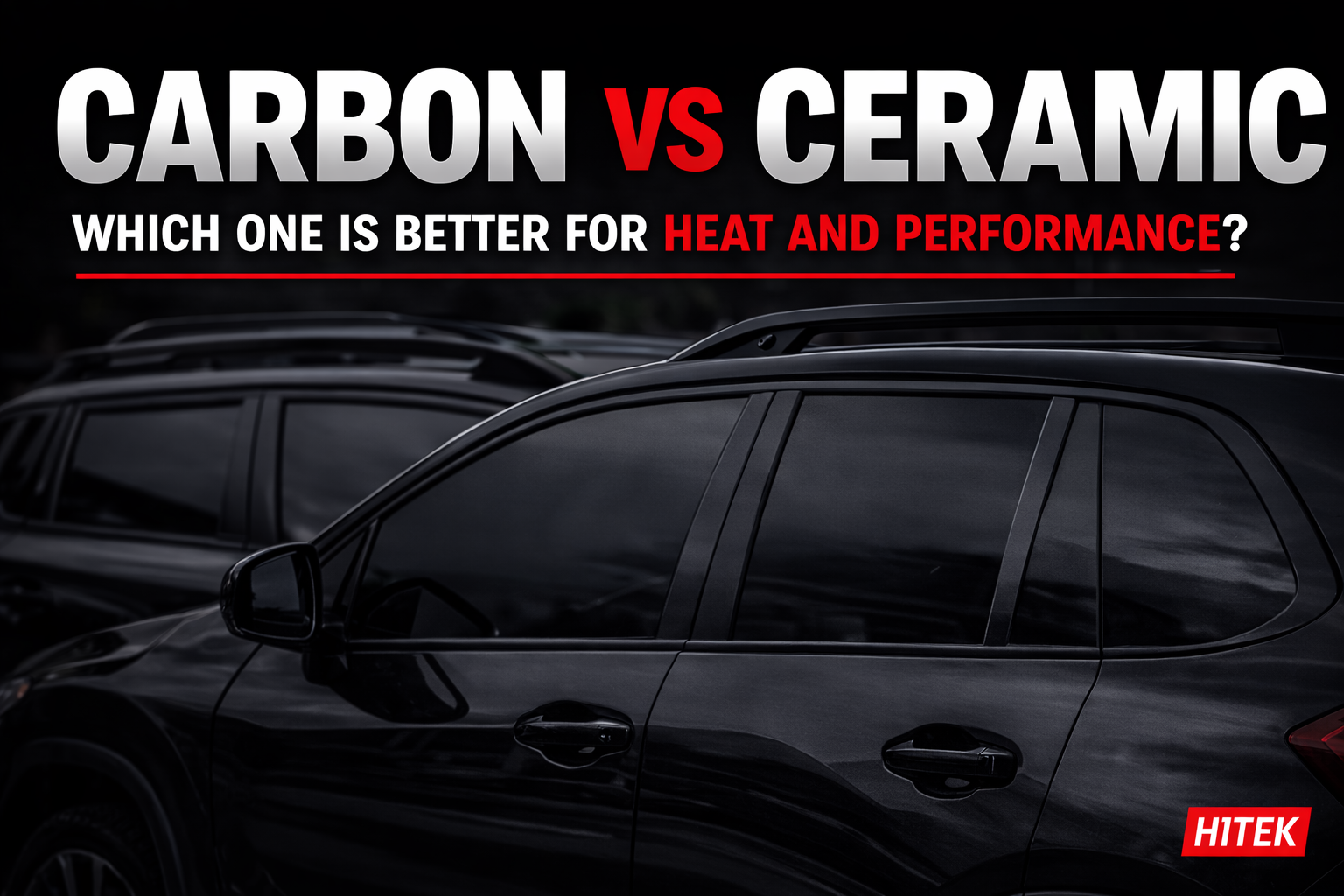
Fremont Drivers’ Guide to SUV Window Tint: Comfort, Protection & Compliance 2026 Fremont drivers searching for the best window tint for SUVs Fremont CA face a challenge specific to California: strict VLT regulations on front windows mean going dark for comfort is not a legal option. This guide covers the nano-ceramic film technologies, California compliance requirements, and vehicle-specific protection strategies that matter most for large vehicles in the Fremont area, including EV SUVs with expansive glass roofs. Why Ceramic Tint Is the Standard for Fremont SUV Owners Fremont SUV and EV owners deal with strong year-round sun, high-glare Bay Area commutes, and large glass surface areas across crossovers, three-row SUVs, and electric vehicles. In general, basic dyed films primarily darken glass and deliver limited infrared heat rejection, though performance varies by manufacturer. They do little to stop the infrared energy that heats the cabin and degrades interior surfaces over time. Nano-ceramic window film, such as those made by HITEK Films, uses microscopic ceramic particles to block a significant portion of infrared radiation and deliver strong total solar energy rejection (TSER), even in light shades that appear nearly factory-clear. For large vehicle window tinting in Fremont, this matters because California law requires front windows to remain at high VLT levels. Performance must come from film technology rather than visible darkness. Nano-ceramic film is also non-metallic, making it signal-safe for GPS, cellular, and the advanced driver-assist systems common in modern SUVs and EVs. For EV SUV owners, reducing infrared load through the glass lowers the demand on the HVAC system during hot East Bay commutes. Less thermal energy entering the cabin means the climate system operates less aggressively, which supports battery efficiency on longer drives. Ceramic vs. Carbon Window Tint for Bay Area Conditions California’s legal framework forces front-window performance to come entirely from film technology rather than darkness. In general, carbon films offer better color stability and moderate heat reduction compared to basic dyed options, though performance varies by manufacturer. At the light VLT levels required for California front windows, carbon film delivers limited IR rejection because it relies primarily on reducing visible light to feel effective. Nano-ceramic film, such as those made by HITEK Films, blocks infrared radiation independently of visible light transmission. At legally compliant VLT levels, it delivers high IR rejection and near-complete UV blocking while maintaining optical clarity with no signal interference. For Bay Area car tinting on front windows, this is the defining distinction where legal SUV tint California compliance leaves no room to compensate with added darkness. The most common approach for Fremont full-size SUV tint packages is a nearly clear or ultra-light nano-ceramic on the front doors to stay within the legal Net VLT threshold, paired with a compatible darker film on the rear side windows and back glass where California permits any shade on SUVs. Panoramic Roofs and Windshields: Full-Cabin Protection Large vehicles and EV SUVs in Fremont present specific thermal challenges that side-glass tinting alone cannot fully address. Panoramic roofs, extended windshields, and large overhead glass panels all contribute to heat buildup when left untreated, reducing the effectiveness of even high-performance side-glass film. Panoramic Sunroof Film Panoramic sunroof ceramic tint is one of the most impactful treatments available for modern SUVs and EVs. A nearly clear nano-ceramic film applied to the roof glass blocks a significant portion of IR and UV while preserving the open appearance of the panel, preventing it from functioning as an overhead heat source across the full cabin. For EVs with large fixed glass roofs, the roof represents a major thermal entry point that side windows cannot compensate for on their own. Clear Ceramic Windshield Film On the windshield, a legal visor strip above the AS-1 line combined with a nearly clear UV-filtering nano-ceramic across the full glass adds meaningful IR and UV rejection without altering the windshield’s appearance or affecting nighttime visibility on I-880 or Mission Boulevard. This approach protects dashboard materials, central screens, and steering wheel surfaces from cumulative UV exposure while reducing the glare that builds during morning and afternoon commutes across the East Bay. Frequently Asked Questions What is the darkest legal tint for an SUV in California? California requires front side windows to maintain a 70% Net VLT, meaning the combined light transmission of factory glass plus film must measure at or above 70%. Most factory front glass is already near that threshold, so only very light or nearly clear nano-ceramic films are appropriate for front windows. Rear side windows and back glass on SUVs are permitted in any shade. Can I tint my SUV’s panoramic sunroof in Fremont? Yes. Nano-ceramic film is the recommended option for panoramic roofs because it blocks a significant portion of overhead IR and UV while remaining nearly invisible, preventing the roof panel from acting as a heat sink over rear passengers. Why does my factory SUV tint still feel hot? In general, factory privacy glass is produced through a pigment process designed for visual privacy rather than heat rejection, though this varies by manufacturer. It lacks the infrared blocking and TSER performance of aftermarket nano-ceramic film, which is why heat continues to enter the cabin through glass that appears dark from outside. How long does it take to tint a full-size SUV? A full SUV tint installation typically takes several hours depending on the number of glass panels being treated and whether the windshield and panoramic sunroof are included. Vehicles with extended rear cargo glass or fixed roof panels require additional time for precise coverage. 📞 Call *phone number* for a professional assessment of your vehicle and find out which nano-ceramic film package delivers the right IR rejection, California legal compliance, and full-cabin protection for your SUV in Fremont.
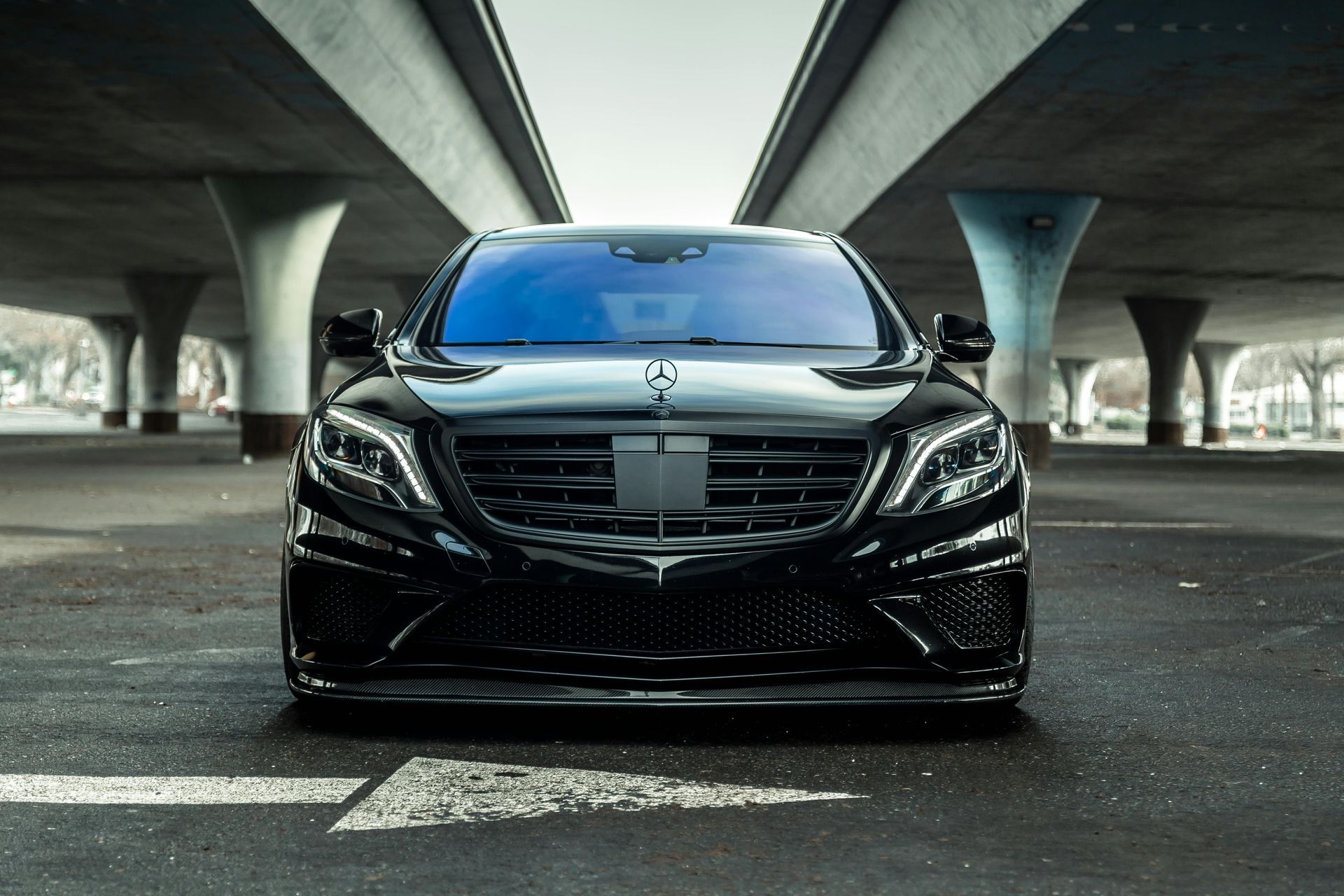
Fremont, CA Windshield Tint: Best Legal & Safe Choices If you’re researching the best window tint for windshields Fremont CA drivers can use without triggering CHP enforcement, the focus must be legality first and performance second. Fremont’s strong sun, long BART parking hours, and Tesla-heavy vehicle mix make “invisible” nano-ceramic solutions the only practical path forward. California Windshield Tint Laws: Fremont Enforcement in 2026 Under California law 2026, visibility is the priority. Fremont Police and CHP routinely enforce VC 26708, especially on front windshields. The AS-1 Line & 4-Inch Strip Rule: What’s Allowed on the Windshield California allows non-reflective tint only on the top 4 inches of the windshield or above the AS-1 line, whichever is lower. Key points: Tint must be non-reflective. No dark film is allowed below the AS-1 line. Full dark windshield tint is not permitted. This strip reduces glare during sunrise and sunset along Highway 84 or the Dumbarton corridor while preserving visibility in fog and at night. 70% VLT Net Requirement: Factory Glass + Film Math Explained Front glass must maintain at least 70% visible light transmission (VLT), calculated as net VLT (factory glass × film). Examples: Factory ~75% × 70% film ≈ 52% net (not compliant) Factory ~75% × 88% film ≈ mid-60% net (still risky) Factory ~75% × 90%+ film = closer to compliant range Even “clear” films can drop net VLT below legal limits. Fremont drivers using full-clear heat-rejection film typically need 80–90%+ VLT nano-ceramic options for safe compliance. Certificate & Sticker Law: Mandatory Compliance for Front Glass confirming legal compliance. A small label is placed between the film and glass or along the edge. During roadside stops, this demonstrates professional installation. Non-compliance can lead to a Fremont fix-it ticket requiring correction and proof of adherence. Why Nano-Ceramic Is Essential for Fremont & Tesla Drivers For East Bay drivers, heat is the real issue. Standard tint technology cannot solve Fremont’s solar load while remaining compliant. Beating Bay Area Heat Soak: IR Rejection on I-880/I-680 Commutes When evaluating nano-ceramic windshield tint Fremont drivers should focus on IRER vs TSER for California heat. IRER (Infrared Energy Rejection) targets the wavelengths responsible for cabin heat buildup. TSER (Total Solar Energy Rejection) measures overall solar energy blocked. For windshields limited by visibility laws, high IR rejection is critical. A high-quality nano-ceramic film can block a substantial percentage of infrared heat while maintaining high visible light transmission.In a general sense, dyed films can fade or discolor over time depending on the manufacturer. Advanced nano-ceramic films, such as those made by HITEK Films , are made for stable color, high optical clarity, and strong infrared rejection in very light VLT ranges. Tesla Model 3/Y Panoramic Windshield: Massive Surface Area Needs Fremont is home to one of the largest Tesla populations in California. The Tesla windshield tint Fremont demand is driven by panoramic glass design. Large windshields and extended roof glass amplify heat soak: Dashboard and screen surfaces absorb intense solar radiation. Cabin temperatures spike during long workday parking. HVAC systems must work harder on startup. Clear nano-ceramic film in the 80–90%+ VLT range reduces infrared penetration without altering the vehicle’s appearance. For Tesla Model 3 and Model Y drivers near Automall Parkway or the Tesla Factory area, this approach preserves visibility while controlling solar load. Top “Invisible” Recommendations for Fremont For drivers seeking the best window tint for windshields Fremont CA, ultra-light nano-ceramic is the compliant solution. H3: Clear 80–90% VLT Nano-Ceramic (High-IR, Low-Visibility Impact) High-clarity nano-ceramic film in the 80–90%+ VLT range provides: Strong infrared heat rejection High visible light transmission UV protection Non-metallic construction (no signal interference) Films in this category, such as those made by HITEK Films , are designed for legal windshield applications where maximum heat rejection must coexist with strict visibility requirements.Because the film appears nearly factory-clear, it avoids drawing attention while still improving thermal comfort. The “Fremont Commuter” Stress Test: 8 Hours Parked Consider a vehicle parked for a full workday at a Fremont BART station or tech campus lot.Without ceramic protection, the dashboard and steering wheel absorb direct solar energy through the windshield. With high-VLT nano-ceramic applied, infrared heat transmission is significantly reduced. Drivers often report: Lower interior surface temperatures Faster cabin cooldown Reduced glare during late afternoon commutes Avoiding CHP Fix-It Tickets in Fremont To reduce enforcement risk: Keep darker tint strictly within the top 4 inches or AS-1 line. Ensure front side windows maintain 70% net VLT. Use non-reflective film only. Retain the manufacturer certificate and compliance sticker. CHP officers may use tint meters during traffic stops. Staying within legal thresholds prevents costly corrections and repeat citations. FAQs Can I tint my full windshield in California? No dark or reflective film is allowed below the AS-1 line. Only the top 4 inches may have non-reflective tint. Clear, high-VLT nano-ceramic may be used if it does not reduce net VLT below legal limits. What is net VLT and why does it matter in Fremont? Net VLT equals factory glass multiplied by film VLT. Because factory windshields are already tinted, adding low-VLT film can quickly push the total below 70%, making it non-compliant. Is ceramic tint worth it for Fremont drivers? Yes. High-VLT nano-ceramic reduces infrared heat and glare while preserving visibility, making it well suited for Bay Area commuting. Will windshield tint interfere with FasTrak? Non-metallic nano-ceramic films, such as those made by HITEK Films , do not interfere with FasTrak or other toll systems. 📞 Call *phone number* and get professional advice to ensure your windshield tint in Fremont meets California law while delivering reliable heat rejection for daily East Bay driving.