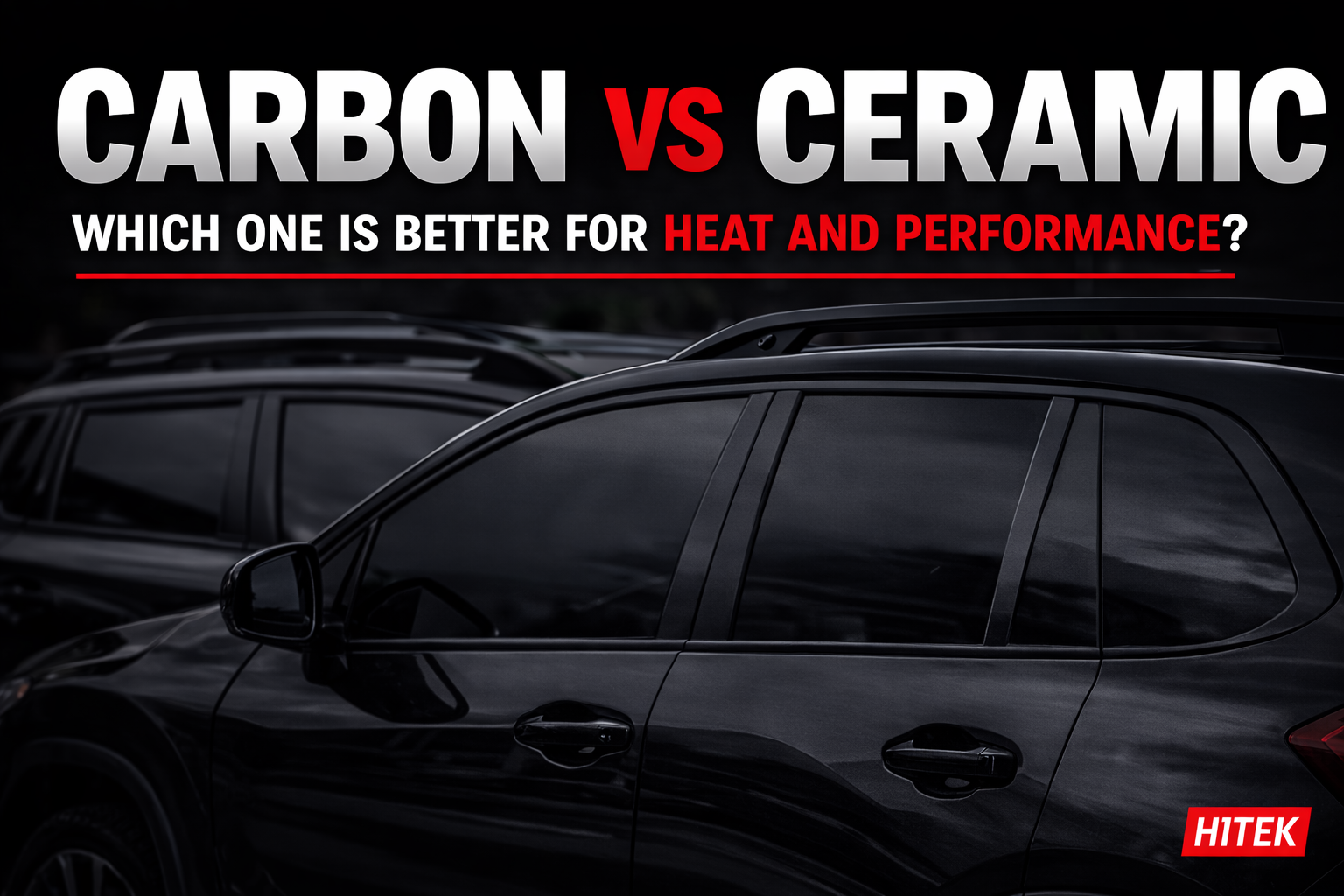
Fremont Drivers’ Guide to SUV Window Tint: Comfort, Protection & Compliance 2026 Fremont drivers searching for the best window tint for SUVs Fremont CA face a challenge specific to California: strict VLT regulations on front windows mean going dark for comfort is not a legal option. This guide covers the nano-ceramic film technologies, California compliance requirements, and vehicle-specific protection strategies that matter most for large vehicles in the Fremont area, including EV SUVs with expansive glass roofs. Why Ceramic Tint Is the Standard for Fremont SUV Owners Fremont SUV and EV owners deal with strong year-round sun, high-glare Bay Area commutes, and large glass surface areas across crossovers, three-row SUVs, and electric vehicles. In general, basic dyed films primarily darken glass and deliver limited infrared heat rejection, though performance varies by manufacturer. They do little to stop the infrared energy that heats the cabin and degrades interior surfaces over time. Nano-ceramic window film, such as those made by HITEK Films, uses microscopic ceramic particles to block a significant portion of infrared radiation and deliver strong total solar energy rejection (TSER), even in light shades that appear nearly factory-clear. For large vehicle window tinting in Fremont, this matters because California law requires front windows to remain at high VLT levels. Performance must come from film technology rather than visible darkness. Nano-ceramic film is also non-metallic, making it signal-safe for GPS, cellular, and the advanced driver-assist systems common in modern SUVs and EVs. For EV SUV owners, reducing infrared load through the glass lowers the demand on the HVAC system during hot East Bay commutes. Less thermal energy entering the cabin means the climate system operates less aggressively, which supports battery efficiency on longer drives. Ceramic vs. Carbon Window Tint for Bay Area Conditions California’s legal framework forces front-window performance to come entirely from film technology rather than darkness. In general, carbon films offer better color stability and moderate heat reduction compared to basic dyed options, though performance varies by manufacturer. At the light VLT levels required for California front windows, carbon film delivers limited IR rejection because it relies primarily on reducing visible light to feel effective. Nano-ceramic film, such as those made by HITEK Films, blocks infrared radiation independently of visible light transmission. At legally compliant VLT levels, it delivers high IR rejection and near-complete UV blocking while maintaining optical clarity with no signal interference. For Bay Area car tinting on front windows, this is the defining distinction where legal SUV tint California compliance leaves no room to compensate with added darkness. The most common approach for Fremont full-size SUV tint packages is a nearly clear or ultra-light nano-ceramic on the front doors to stay within the legal Net VLT threshold, paired with a compatible darker film on the rear side windows and back glass where California permits any shade on SUVs. Panoramic Roofs and Windshields: Full-Cabin Protection Large vehicles and EV SUVs in Fremont present specific thermal challenges that side-glass tinting alone cannot fully address. Panoramic roofs, extended windshields, and large overhead glass panels all contribute to heat buildup when left untreated, reducing the effectiveness of even high-performance side-glass film. Panoramic Sunroof Film Panoramic sunroof ceramic tint is one of the most impactful treatments available for modern SUVs and EVs. A nearly clear nano-ceramic film applied to the roof glass blocks a significant portion of IR and UV while preserving the open appearance of the panel, preventing it from functioning as an overhead heat source across the full cabin. For EVs with large fixed glass roofs, the roof represents a major thermal entry point that side windows cannot compensate for on their own. Clear Ceramic Windshield Film On the windshield, a legal visor strip above the AS-1 line combined with a nearly clear UV-filtering nano-ceramic across the full glass adds meaningful IR and UV rejection without altering the windshield’s appearance or affecting nighttime visibility on I-880 or Mission Boulevard. This approach protects dashboard materials, central screens, and steering wheel surfaces from cumulative UV exposure while reducing the glare that builds during morning and afternoon commutes across the East Bay. Frequently Asked Questions What is the darkest legal tint for an SUV in California? California requires front side windows to maintain a 70% Net VLT, meaning the combined light transmission of factory glass plus film must measure at or above 70%. Most factory front glass is already near that threshold, so only very light or nearly clear nano-ceramic films are appropriate for front windows. Rear side windows and back glass on SUVs are permitted in any shade. Can I tint my SUV’s panoramic sunroof in Fremont? Yes. Nano-ceramic film is the recommended option for panoramic roofs because it blocks a significant portion of overhead IR and UV while remaining nearly invisible, preventing the roof panel from acting as a heat sink over rear passengers. Why does my factory SUV tint still feel hot? In general, factory privacy glass is produced through a pigment process designed for visual privacy rather than heat rejection, though this varies by manufacturer. It lacks the infrared blocking and TSER performance of aftermarket nano-ceramic film, which is why heat continues to enter the cabin through glass that appears dark from outside. How long does it take to tint a full-size SUV? A full SUV tint installation typically takes several hours depending on the number of glass panels being treated and whether the windshield and panoramic sunroof are included. Vehicles with extended rear cargo glass or fixed roof panels require additional time for precise coverage. 📞 Call *phone number* for a professional assessment of your vehicle and find out which nano-ceramic film package delivers the right IR rejection, California legal compliance, and full-cabin protection for your SUV in Fremont.
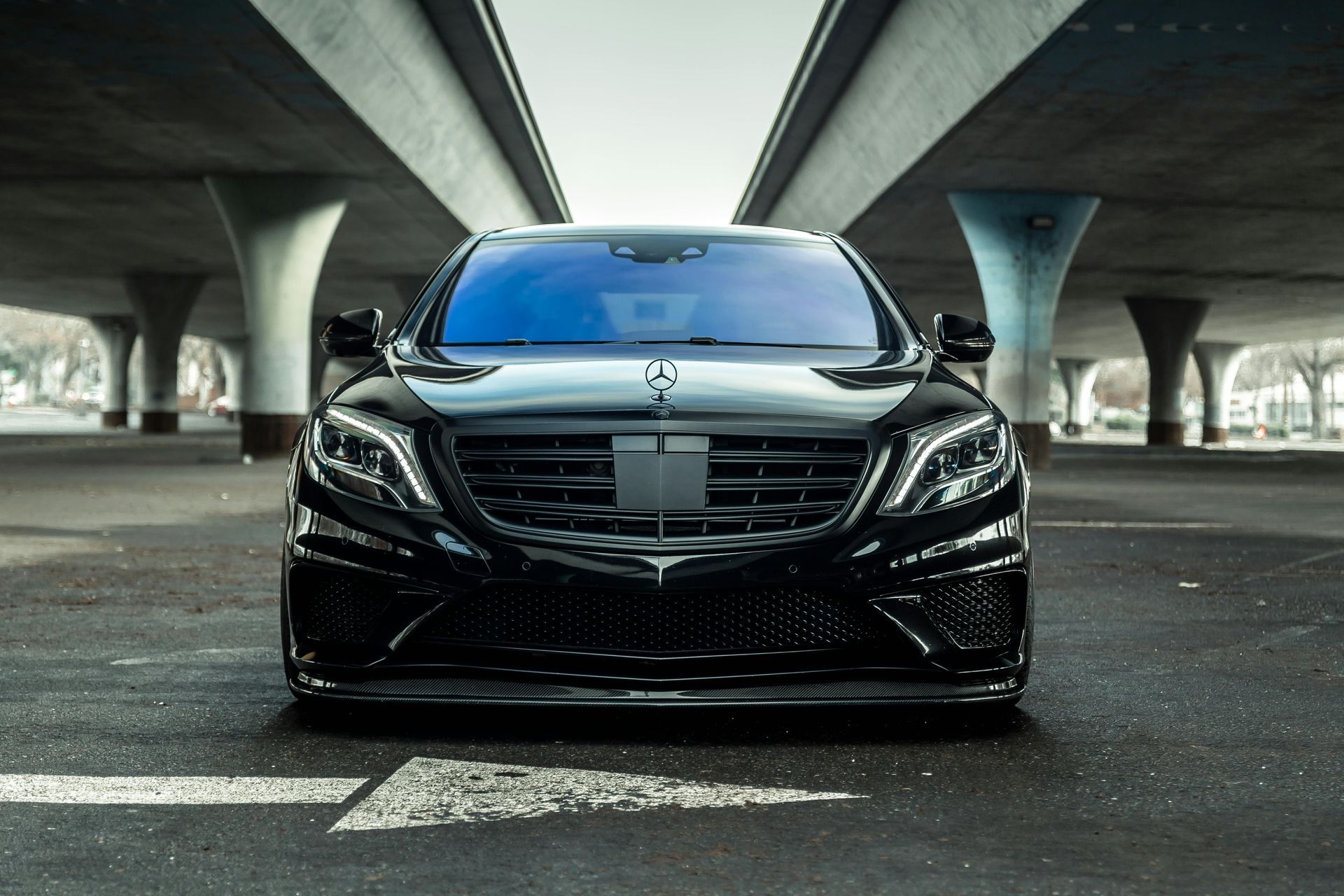
Fremont, CA Windshield Tint: Best Legal & Safe Choices If you’re researching the best window tint for windshields Fremont CA drivers can use without triggering CHP enforcement, the focus must be legality first and performance second. Fremont’s strong sun, long BART parking hours, and Tesla-heavy vehicle mix make “invisible” nano-ceramic solutions the only practical path forward. California Windshield Tint Laws: Fremont Enforcement in 2026 Under California law 2026, visibility is the priority. Fremont Police and CHP routinely enforce VC 26708, especially on front windshields. The AS-1 Line & 4-Inch Strip Rule: What’s Allowed on the Windshield California allows non-reflective tint only on the top 4 inches of the windshield or above the AS-1 line, whichever is lower. Key points: Tint must be non-reflective. No dark film is allowed below the AS-1 line. Full dark windshield tint is not permitted. This strip reduces glare during sunrise and sunset along Highway 84 or the Dumbarton corridor while preserving visibility in fog and at night. 70% VLT Net Requirement: Factory Glass + Film Math Explained Front glass must maintain at least 70% visible light transmission (VLT), calculated as net VLT (factory glass × film). Examples: Factory ~75% × 70% film ≈ 52% net (not compliant) Factory ~75% × 88% film ≈ mid-60% net (still risky) Factory ~75% × 90%+ film = closer to compliant range Even “clear” films can drop net VLT below legal limits. Fremont drivers using full-clear heat-rejection film typically need 80–90%+ VLT nano-ceramic options for safe compliance. Certificate & Sticker Law: Mandatory Compliance for Front Glass confirming legal compliance. A small label is placed between the film and glass or along the edge. During roadside stops, this demonstrates professional installation. Non-compliance can lead to a Fremont fix-it ticket requiring correction and proof of adherence. Why Nano-Ceramic Is Essential for Fremont & Tesla Drivers For East Bay drivers, heat is the real issue. Standard tint technology cannot solve Fremont’s solar load while remaining compliant. Beating Bay Area Heat Soak: IR Rejection on I-880/I-680 Commutes When evaluating nano-ceramic windshield tint Fremont drivers should focus on IRER vs TSER for California heat. IRER (Infrared Energy Rejection) targets the wavelengths responsible for cabin heat buildup. TSER (Total Solar Energy Rejection) measures overall solar energy blocked. For windshields limited by visibility laws, high IR rejection is critical. A high-quality nano-ceramic film can block a substantial percentage of infrared heat while maintaining high visible light transmission.In a general sense, dyed films can fade or discolor over time depending on the manufacturer. Advanced nano-ceramic films, such as those made by HITEK Films , are made for stable color, high optical clarity, and strong infrared rejection in very light VLT ranges. Tesla Model 3/Y Panoramic Windshield: Massive Surface Area Needs Fremont is home to one of the largest Tesla populations in California. The Tesla windshield tint Fremont demand is driven by panoramic glass design. Large windshields and extended roof glass amplify heat soak: Dashboard and screen surfaces absorb intense solar radiation. Cabin temperatures spike during long workday parking. HVAC systems must work harder on startup. Clear nano-ceramic film in the 80–90%+ VLT range reduces infrared penetration without altering the vehicle’s appearance. For Tesla Model 3 and Model Y drivers near Automall Parkway or the Tesla Factory area, this approach preserves visibility while controlling solar load. Top “Invisible” Recommendations for Fremont For drivers seeking the best window tint for windshields Fremont CA, ultra-light nano-ceramic is the compliant solution. H3: Clear 80–90% VLT Nano-Ceramic (High-IR, Low-Visibility Impact) High-clarity nano-ceramic film in the 80–90%+ VLT range provides: Strong infrared heat rejection High visible light transmission UV protection Non-metallic construction (no signal interference) Films in this category, such as those made by HITEK Films , are designed for legal windshield applications where maximum heat rejection must coexist with strict visibility requirements.Because the film appears nearly factory-clear, it avoids drawing attention while still improving thermal comfort. The “Fremont Commuter” Stress Test: 8 Hours Parked Consider a vehicle parked for a full workday at a Fremont BART station or tech campus lot.Without ceramic protection, the dashboard and steering wheel absorb direct solar energy through the windshield. With high-VLT nano-ceramic applied, infrared heat transmission is significantly reduced. Drivers often report: Lower interior surface temperatures Faster cabin cooldown Reduced glare during late afternoon commutes Avoiding CHP Fix-It Tickets in Fremont To reduce enforcement risk: Keep darker tint strictly within the top 4 inches or AS-1 line. Ensure front side windows maintain 70% net VLT. Use non-reflective film only. Retain the manufacturer certificate and compliance sticker. CHP officers may use tint meters during traffic stops. Staying within legal thresholds prevents costly corrections and repeat citations. FAQs Can I tint my full windshield in California? No dark or reflective film is allowed below the AS-1 line. Only the top 4 inches may have non-reflective tint. Clear, high-VLT nano-ceramic may be used if it does not reduce net VLT below legal limits. What is net VLT and why does it matter in Fremont? Net VLT equals factory glass multiplied by film VLT. Because factory windshields are already tinted, adding low-VLT film can quickly push the total below 70%, making it non-compliant. Is ceramic tint worth it for Fremont drivers? Yes. High-VLT nano-ceramic reduces infrared heat and glare while preserving visibility, making it well suited for Bay Area commuting. Will windshield tint interfere with FasTrak? Non-metallic nano-ceramic films, such as those made by HITEK Films , do not interfere with FasTrak or other toll systems. 📞 Call *phone number* and get professional advice to ensure your windshield tint in Fremont meets California law while delivering reliable heat rejection for daily East Bay driving.
How Long Does Window Tint Last in Fremont, CA? Guide If you’re asking how long does window tint last in Fremont CA, you’re likely weighing performance against longevity in a region defined by intense Silicon Valley sun and cool, foggy evenings from the Bay. In Fremont, window tint lifespan is not only about appearance. For the area’s large EV and Tesla population, it also affects cabin temperature stability and day-to-day energy use. This guide explains realistic tint lifespans in Fremont, how local climate conditions influence durability, and what to expect from different window film materials over time. Average Lifespan: What Fremont Drivers Should Expect How long does window tint last in Fremont CA depends primarily on film construction, exposure patterns, and long-term environmental stress. Vehicles parked outdoors along I-880, I-680, or large retail areas like Pacific Commons typically experience more heat and UV load than garaged vehicles. In general terms, Fremont drivers can expect the following ranges: Dyed film: often lasts several years before fading or color shift becomes noticeable, depending on manufacturer quality and sun exposure Carbon film: commonly lasts longer, maintaining a more consistent appearance with improved heat control Ceramic film: typically delivers the longest lifespan, frequently lasting well over a decade when properly installed and maintained Bay Area window tint durability is shaped by consistent sun exposure combined with mild but humid winters. Higher-quality films designed for infrared and UV control maintain color stability and performance far longer than entry-level options. Why Material Choice Matters More for Fremont EV Owners Fremont has one of the highest EV ownership rates in the country. For these vehicles, window tint longevity is closely tied to thermal efficiency rather than aesthetics alone. Heat Rejection and EV Battery Range: The Tesla Connection In electric vehicles, interior heat buildup directly increases cooling demand. Over time, frequent high-output air conditioning use contributes to higher energy consumption. Ceramic window tint for Tesla Fremont drivers helps manage this by reducing the amount of solar heat that enters the cabin. High-performance ceramic films work by limiting infrared energy transfer while remaining visually clear. This can result in noticeably lower interior temperatures on hot afternoons, particularly in vehicles with expansive glass areas. While the exact efficiency impact varies by driving habits and conditions, many Fremont EV owners report reduced reliance on aggressive climate control during summer commutes. Why Non-Metallic Films Are Essential for EVs and Tech-Heavy Cars Modern vehicles depend on uninterrupted electronic connectivity, including GPS, Bluetooth, mobile data, and keyless systems. Metalized window films can interfere with these signals. Carbon and ceramic films avoid this issue because they contain no metal layers. They provide heat and UV control without affecting onboard technology. Ceramic options, in particular, offer the highest performance while remaining compatible with all vehicle electronics, making them well-suited for Fremont’s tech-focused drivers. Local Stressors: How Fremont’s Climate Affects Your Tint Fremont CA sun protection for cars must account for sharp temperature changes within a single day. Vehicles often transition from hot, dry afternoon conditions to cool, damp evenings as fog rolls inland. Thermal Cycling: From I-880 Heat to Bay Area Fog Thermal cycling places gradual stress on window film and adhesive layers. Glass and film expand and contract at different rates, which can affect edges and defroster lines over time. Humidity effects on window tint CA conditions also influence curing. In warmer, dry months, film may settle faster, while installations during foggy or damp periods can require additional curing time before full adhesion occurs. High-quality films are made to tolerate these cycles. Precision-cut installations that follow the exact shape of the glass further reduce long-term edge stress. UV Exposure: Protecting Your Interior from the Santa Clara Valley Sun Even with moderate coastal temperatures, Fremont experiences strong UV exposure. Over time, untreated glass allows UV to fade interior surfaces and accelerate material aging. Automotive window films are designed to block nearly all UV radiation, helping preserve interior materials and slow visible wear. This protection becomes increasingly important for vehicles intended for long-term ownership. Staying Legal in Fremont California enforces strict front-window tint standards. Rather than focusing on darkness, many Fremont drivers choose light, high-performance films that deliver heat rejection while remaining visually subtle. This approach minimizes compliance concerns while still improving comfort and durability. Maintenance: How to Ensure Your Tint Lasts 10+ Years Long-term performance depends as much on care as it does on material selection. Fremont drivers who follow basic maintenance practices typically see significantly longer tint lifespan. Ammonia-Free Cleaning: The Golden Rule Ammonia-based cleaners can degrade window film over time. Using ammonia-free solutions and soft microfiber towels helps protect both the surface coating and adhesive layer. Gentle cleaning methods reduce the risk of haze or premature wear. Protecting Your Window Seals from Abrasive Road Grime Road dust and fine debris collect in window channels and seals. When windows are lowered, this grit can scratch film edges. Periodically wiping the top edge of the glass and cleaning rubber seals with a soft cloth reduces abrasion and helps maintain a clean, even appearance. FAQs Is 35% tint legal on front windows in Fremont? No. California requires front side windows to allow at least 70% visible light transmission. How long does ceramic tint last compared to standard film in CA? Ceramic films generally last significantly longer than dyed films, often exceeding a decade with proper care. Can I roll my windows down after tinting in the Bay Area climate? Waiting several days allows the adhesive to cure fully, especially during cooler or more humid periods. Do window tint laws differ for EVs? No. EVs must follow the same California tint regulations as other passenger vehicles. 📞 Call *phone number* and get professional advice on window tint options designed to handle Fremont’s sun, fog, and long-term driving conditions.
Nighttime Visibility Guide: Window Tint in Fremont, CA Fremont drivers face busy urban corridors, foggy Bay Area evenings, and variably lit suburban streets. Many ask if window tint makes night driving harder or if the right film can improve it. Window tint affects nighttime visibility, but amount depends on film type, VLT percentage, and installation.Premium ceramic films at 50% VLT or higher maintain strong nighttime clarity while reducing glare. For Fremont’s frequent fog and mixed road lighting, choosing the right tint level matters as much as right film. HITEK Films’ nano-ceramic options deliver reliable performance tailored to the Bay Area’s demanding driving conditions. Window Tint Explained: Effects on Visibility at Night VLT measures how much light passes through tinted glass. Higher VLT lets more light into the cabin, which helps at night. Lower VLT blocks more light and makes spotting hazards harder on dim streets like those near Mission Peak or Fremont Blvd after sunset. California requires 70% VLT or higher on front side windows, keeping strong visibility day and night. Rear windows have no minimum, offering flexibility. Key point: 70% VLT performs like untinted glass at night. Below 35% on key windows, low-light driving gets challenging, especially in fog or rain. Does Window Tint Reduce Visibility at Night? Yes, darker tint reduces nighttime visibility, but severity varies by film quality.Films at 50% VLT or higher minimally impact night vision and cut glare from oncoming headlights. This helps on Fremont’s busy roads with common high-beams.Films below 35% VLT lose enough light to raise safety concerns in Bay Area fog, rain, or unlit roads. Ceramic films beat dyed or carbon options by rejecting heat and UV without haze or distortion. Cheaper films fog or lose clarity over time, worsening night visibility.Premium nano-ceramic films like HITEK Films maintain sharp, distortion-free clarity in low-light conditions. Ceramic Tint vs. Standard: Which Performs Better at Night? Ceramic tint beats standard dyed or carbon films for nighttime driving through better optical clarity. Ceramic filters infrared heat and UV rays without changing light passage, keeping vision clean and accurate. Standard films, especially cheaper ones, develop haze that scatters light and blurs headlights or streetlights.In Fremont’s misty atmosphere, this matters since air moisture already diffuses light, and distorting films make it worse.Ceramic films at legal VLT levels cut glare without visibility trade-offs of cheaper alternatives. HITEK Films’ nano-ceramic lineup delivers consistent low-light clarity and holds up without hazing or bubbling over time, even in the Bay Area’s fluctuating humidity and temperature conditions. Best Tint Percentages for Safe Night Driving in Fremont Matching your tint percentage to your driving habits is the most important decision you’ll make: 70% VLT — California’s legal minimum for front side windows gives near-untinted night visibility. Fremont drivers value maximum light transmission through foggy mornings near Central Park or wet evening commutes. 50% VLT — Strikes practical balance between privacy and nighttime visibility for rear windows. Test on your routes first, especially with regular rain or fog factors. Below 35% VLT — Creates safety concerns in low-light and violates California front window laws. Even on rears, dark tints impair mirror visibility at night, so evaluate carefully. Is Window Tint Safe for Night Driving in Fremont, CA? Yes, choose the right film and percentage. Fremont’s dense urban traffic, suburban backroads, and regular Bay Area fog demand a thoughtful approach. Ceramic films at 70% VLT on front windows meet California’s legal requirements and maintain strong nighttime clarity.Rear windows with moderate tint provide privacy without meaningfully compromising mirror visibility for most drivers. The goal is a setup that reduces daytime glare and heat while keeping your nighttime field of vision clear and reliable. With quality ceramic film and proper installation, Fremont drivers consistently achieve both. FAQs Does window tint affect visibility at night in Fremont, CA? Yes, though darker films have a greater impact. Ceramic films at 70% VLT or higher maintain reliable visibility even in Bay Area fog and wet conditions. What tint percentage is best for night driving? 70% VLT on front windows provides the closest experience to untinted glass. 50% VLT works for rear windows when balanced against your driving habits. Is ceramic window tint better for nighttime visibility? Yes. Ceramic tint provides sharper optical clarity and better glare reduction than standard dyed or carbon films, and it holds up without hazing over time. What are California’s window tint laws for front side windows? California requires 70% VLT or higher on front side windows. Rear windows have no minimum VLT requirement. Can dark window tint be dangerous at night? Yes, films below 35% VLT on front windows reduce light significantly and create safety hazards in low-light or foggy conditions. Stay within legal, compliant ranges on critical windows. 👉 Call *phone number* to get professional advice and explore tint solutions tailored for Fremont’s unique driving conditions.
Does Ceramic Window Tint Actually Keep Fremont, CA Cars Cooler? Fremont summers regularly reach 85–100°F+ with intense direct sun and dry heat, transforming parked vehicles into ovens throughout Bay Area traffic and parking areas. Local drivers frequently question whether ceramic window tint Fremont CA genuinely reduces cabin heat or if performance claims are inflated. Premium nano-ceramic films deliver substantial heat blocking through advanced infrared heat rejection, typically exceeding 90% IR, creating measurably cooler interiors and reducing AC demands. Performance depends on film quality, professional installation, and realistic expectations for sunny conditions. HITEK Films ’ nano-ceramic options, including Ceramic Ultra and Ceramic IR, provide proven performance engineered for California’s demanding hot, sunny climate. What Is Ceramic Window Tint and How Does It Work? Nano-Ceramic Technology Explained Ceramic window tint Fremont CA incorporates microscopic nano-ceramic particles designed to intercept infrared heat rejection, the dominant mechanism through which sunlight transfers radiant energy into vehicle interiors. This non-metallic composition blocks heat effectively without disrupting GPS, cellular signals, or radio reception—a persistent problem with metalized alternatives. HITEK Films’ Ceramic Ultra achieves up to 96% IR rejection at 1025nm and 71% total solar energy rejection (TSER), while Ceramic IR delivers 75% broad-range rejection spanning 740–2500nm. The technology functions at the glass surface, rejecting solar energy before cabin penetration occurs, essential for managing California sun tint challenges where intense UV exposure accelerates heat transfer. Does Ceramic Tint Actually Block Heat? Real Performance Stats IR Rejection, TSER, and Heat Reduction Numbers Premium ceramic tint heat rejection produces measurable results through industry-standard metrics. HITEK Films Ceramic Ultra posts 71% TSER and 96% IR rejection with 99% UV blocking across all visible light transmission (VLT) shades. Mid-tier lines like Ceramic Plus achieve 90–92% IR rejection and 61–69% TSER depending on darkness level. Top-performing nano-ceramic films reach 98% IR rejection, substantially outperforming carbon or dyed alternatives in blocking radiant heat block California drivers face throughout summer months. How Much Cooler Does Your Car Get in Fremont? Ceramic tint reduces car interior temperature by 20–40°F after one hour in 95°F+ sunlight. Fremont and Bay Area drivers consistently report less intense heat when entering parked vehicles and faster AC cooling during commutes. Interiors remain noticeably cooler in hot California conditions, though extended all-day parking still generates heat accumulation. Tint slows buildup significantly rather than eliminating it entirely. Combining window film with windshield shades or cracked windows maximizes cooling effectiveness. Ceramic Tint vs Regular, Carbon, and Other Tints in California Heat Why Ceramic Wins for Hot Summers Ceramic vs regular tint CA reveals distinct performance advantages. Dyed films and basic tints, depending on manufacturer quality, can offer limited IR blocking and may fade after prolonged UV exposure. Carbon tint improves over dyed options with moderate IR rejection but falls short of ceramic’s 90%+ IR capability and superior TSER ratings. Metalized films can introduce signal interference issues problematic for modern connected vehicles. California’s sunny climate demands maximum thermal management, making ceramic vs carbon tint favor ceramic technology for stability, longevity, and proven best tint for California heat performance. Benefits of Ceramic Tint Specifically for Fremont Drivers UV Protection, Glare Reduction, and AC Savings Premium films reject 99% of ultraviolet radiation, safeguarding occupants and preserving interior materials from sun damage common under persistent California exposure. Glare reduction improves visibility and driving safety during low-angle morning and evening commutes across Bay Area roads. Lower cabin temperatures decrease air conditioning demands, translating to fuel savings through shorter cool-down cycles in Fremont traffic and during extended summer drives throughout the region. Windshield Options for Maximum Heat Block Clear nano-ceramic films, such as those made by HITEK Films like Ceramic Clear (42% TSER), maximize infrared heat rejection without reducing visibility. California regulations permit non-reflective tint on the top four to five inches of windshields or full-windshield application of clear UV/IR films provided VLT remains within legal thresholds. These options deliver substantial cooling benefits without compromising forward visibility, addressing sunny glare while maintaining compliance.The trade-off involves higher material investment balanced against daily comfort improvements, with strict VLT enforcement common in Bay Area jurisdictions. Is Ceramic Window Tint Worth It in Fremont? Pros and Cons Limitations and Realistic Expectations Ceramic tint significantly slows heat buildup but cannot eliminate thermal transfer entirely. Extended parking in direct sunlight allows convection and radiant heat from surrounding surfaces to warm interiors despite film protection. Expecting zero heat gain without supplementary measures like shade parking or ventilation leads to disappointment. In California dry heat, lower-quality films, depending on manufacturing standards, risk peeling or adhesive failure over time. Selecting premium formulations with proper installation prevents these durability issues. Choosing the Best Ceramic Tint Brands for California HITEK Films distinguishes itself with Ceramic Ultra (96% IR, 71% TSER, lifetime warranty) and Ceramic IR (75% IR, color-stable formulation) engineered specifically for sunny climates. These specifications meet or exceed performance benchmarks required for California conditions. Prioritize manufacturers offering comprehensive warranties covering UV exposure and heat degradation. HITEK Films ’ lifetime coverage supports long-term investment protection in demanding environments. FAQs Does ceramic tint really make a difference in Fremont CA / California heat? Yes. Premium nano-ceramic films reduce interior temperatures by 20–40°F in hot conditions and provide noticeable relief from radiant heat during California summer months. How much heat does ceramic window tint block compared to regular tint? Ceramic films block 90–98% of infrared radiation versus significantly lower percentages in standard dyed films, depending on manufacturer, with higher TSER delivering superior total solar energy rejection. Is ceramic tint worth the extra cost for California summers? Fremont drivers facing intense sun benefit from improved comfort, reduced cooling demands, and interior protection that justify premium film investment over basic alternatives. 📞 Call *phone number* for expert guidance on selecting the right ceramic window tint for your vehicle and Fremont’s demanding summer conditions.
Should You Get Cheap Window Tint in California? You’re evaluating whether cheap window tint is a waste of money in Fremont CA because East Bay sun and California’s strict visibility rules often turn budget installations into legal problems and early failures. In Fremont, inexpensive dyed films frequently push total light transmission below legal limits and struggle on large glass surfaces found in modern vehicles. This guide explains the legal risks, performance differences, and long-term value so Fremont drivers can make informed decisions. Cheap Window Tint Prices in Fremont: Budget Deals vs. Long-Term Value Is cheap window tint a waste of money in Fremont CA? The question comes up when comparing mobile budget installations with professionally installed ceramic systems offered by established shops. Fremont drivers near the Tesla Factory often focus on the upfront savings and overlook how factory glass affects the final tint calculation. Over time, higher-quality films maintain clarity, color stability, and adhesion, while low-cost dyed films commonly develop haze, fading, or bubbling within the first few seasons. Why California Law Makes Cheap Tint a Risk California’s vehicle code places strict limits on visible light transmission, and enforcement in Fremont is consistent. Many budget installations fail because they rely on labeled film percentages without measuring the combined effect of factory glass and aftermarket film. California’s 70% VLT Front Window Law: Why Cheap Tint Fails Day One The 70% VLT front window law CA requires front side windows to allow at least 70% of light to pass through. Factory glass is already lightly tinted. When a low-cost “legal” film is applied on top, the combined VLT often drops below the legal threshold. This is why the darkest legal tint California allows must be verified with professional meters, not estimated from film labels. Mobile installers rarely perform this combined measurement, which is how many vehicles become non-compliant immediately after installation. The Cost of a Fremont Fix-It Ticket: Removal and Re-Tinting A Fremont fix-it ticket cost may start small, but the real expense comes from correcting the violation. Window tint removal cost Fremont CA adds another layer of expense, especially when removal is needed to address bubbling tint repair caused by failing adhesives. Once removal, re-inspection, and re-installation are added together, the total often exceeds the cost of a compliant ceramic installation done correctly the first time. Ceramic vs. Dyed Window Tint: Performance on Fremont’s I-880 Commute Ceramic window tinting Fremont drivers choose focuses on infrared rejection rather than darkness alone. IR blocking window film reduces heat entering the cabin without relying on heavy shading. In contrast, dyed vs ceramic window tint is a fundamental performance divide. Dyed films absorb heat and release it into the vehicle interior, while ceramic films reflect and reject infrared energy. In general terms, dyed films may fade and lose performance over time depending on the manufacturer and material quality. The more stable alternative is advanced ceramic construction, such as those made by HITEK Films, which maintain optical clarity and heat rejection over many years. Special Considerations for Fremont Tesla Owners Heat rejection for Tesla Fremont drivers is especially important because Model 3, Y, S, and X vehicles use expansive glass roofs and rear panels. Large glass surfaces allow more infrared energy into the cabin, which low-grade films cannot control effectively. Cheap metallic or dyed films may also interfere with in-vehicle electronics. Tesla’s panoramic glass benefits from signal-safe ceramic films that preserve GPS accuracy, 5G connectivity, and FasTrak performance while maintaining legal VLT levels. The Haze Factor: Visibility in the East Bay Low-angle afternoon sun on I-680 and during BART commutes exposes optical defects quickly. Low-cost dyed films often develop a brown or purple haze that distorts contrast and reduces depth perception. Conclusion Cheap window tint often becomes expensive when legal corrections, removals, and early failures are added together. In Fremont, the combination of strict enforcement, intense sun, and modern glass design makes professional ceramic installation the safer long-term choice. Investing once in compliant, durable film avoids tickets, preserves visibility, and maintains consistent heat control for years. FAQs What is the darkest legal tint for front windows in California? California law requires front side windows to allow at least 70% of light through. Because factory glass already reduces light slightly, many aftermarket films labeled as “legal” still produce an illegal combined result. Is ceramic tint really worth it for Fremont summers? Yes. Ceramic films are designed to reject infrared heat, reduce cabin temperature, protect interior materials, and remain clear without color distortion. How much does it cost to remove old, bubbling tint in Fremont? Removal costs vary by vehicle and condition, but removal is often required before re-tinting with compliant film. Will window tint interfere with my Tesla’s GPS or FasTrak? Metalized and low-grade films may interfere with signals. Ceramic films are signal-transparent and safe for modern vehicle electronics. Why does cheap window tint bubble over time? In general, bubbling occurs when UV exposure breaks down low-quality adhesives. Film construction and manufacturing quality largely determine long-term durability. 👉 Call *phone number* and get professional advice on compliant window tint options for Fremont driving conditions.
The Differences For Drivers In Fremont, CA: Factory Tint vs Aftermarket Tint If you drive an SUV or Tesla in the East Bay, you may have noticed a common contradiction: the rear windows look dark, yet the cabin still heats up. Many Fremont drivers assume factory-installed tint provides protection, only to find that heat buildup and interior fading remain an issue. This guide explains the practical differences between Factory Tint vs. Aftermarket Tint, with a focus on performance and compliance under California’s strict 2025 window tint regulations. The goal is to help Fremont vehicle owners make informed, law-compliant decisions. Understanding Factory “Privacy Glass” (The OEM Standard) Most SUVs and crossovers sold in the Bay Area include factory “privacy glass” on rear windows. Although it appears tinted, it is different from professional window film. How Privacy Glass Is Manufactured (Pigment in the Glass) Privacy glass is produced by embedding pigment into the glass during manufacturing. This electrical dyeing process darkens the glass. Because there is no surface film, you cannot adjust or upgrade the shade for performance. The Performance Gap: Why Shade Does Not Equal Protection Privacy glass is for appearance, not solar control. While it reduces visible light, it lacks the layers needed to block infrared heat or ultraviolet radiation. As a result, the glass absorbs solar energy and radiates heat into the cabin rather than reflecting it away. Why Aftermarket Ceramic Tint Wins in the Bay Area Aftermarket ceramic window film addresses heat and radiation . Unlike factory glass, ceramic films handle solar rejection better than visual shade alone. Infrared (IR) Rejection: Surviving Fremont’s Summer Heat Infrared energy is causing the heat you feel while driving. Factory privacy glass offers little to no IR rejection. In contrast, ceramic window tint vs. privacy glass comparisons show that ceramic films can block over 90% of infrared heat, resulting in Total Solar Energy Rejection (TSER) values that often exceed 60%. Signal Clarity: Why Ceramic Is Mandatory for Fremont’s Tech-Heavy EVs Fremont has one of the highest concentrations of electric vehicles in California. Older metalized films can interfere with GPS, cellular, and driver-assistance systems. HITEK Films produce modern ceramic films that are signal-safe and do not disrupt onboard vehicle technology. UV Protection: Beyond the Shade (The 99% Block) Factory glass provides limited UV defense. Professional window tinting in Fremont, CA uses ceramic films that block up to 99% of UVA and UVB rays, helping reduce interior fading and long-term exposure risks for occupants. California Window Tint Laws 2025: The 70% VLT Rule Understanding California window tint laws 2025 is critical for avoiding fix-it tickets and inspection failures. The 70% VLT Rule for Front Side Windows California requires front side windows to maintain at least 70% VLT California. Visible Light Transmission measures how much light passes through the glass and film combined. This threshold enforces during window tint inspection California traffic stops and is a common point of non-compliance. Rear Window Flexibility for SUVs and Vans Rear side windows and the rear windshield may get tinted to any darkness level if the vehicle has dual side mirrors. This allowance enables greater heat rejection and privacy for rear passengers. The Required Certification: What to Keep in Your Glovebox California law also requires a CA window tint certification. Drivers must keep a certificate from the film manufacturer or installer that lists the VLT percentage and manufacturer details to verify legal tint in Fremont, CA. Can You Tint Over Factory Privacy Glass? Applying aftermarket film over factory privacy glass is common and allowed when done right. Net VLT Calculation: Staying Legal in Fremont, CA VLT percentages compound. Factory glass often measures 70–80% VLT. Adding a 70% film can reduce net VLT to roughly 49%, which is illegal. To maintain legal tint Fremont CA, many drivers use clear 80% or 90% ceramic film on front windows to gain heat rejection without violating the law. Adding Heat Rejection to Your Tesla or SUV’s Rear Windows On vehicles like the Tesla Model Y, ceramic film applied over factory glass reduces rear-window and glass-roof heat soak. Lower cabin temperatures reduce climate-control demand, which can help preserve EV driving range during hot Bay Area conditions. Comparison: Factory vs. Aftermarket (TSER & Safety) Heat Rejection: Factory glass absorbs heat; ceramic film reflects it with high TSER. UV Block: Factory glass offers minimal protection; ceramic film blocks up to 99%. Shatter Resistance: Film helps hold broken glass together during impact. Cost: Factory tint is included. Ceramic tint in Fremont runs $200–$600. Conclusion: The Best Tint Strategy for Fremont Drivers Fremont drivers: See factory privacy glass as cosmetic, not protective. Add ceramic film for real heat block, 99% UV stop, and 70% VLT compliance. 📞 Call * phone number* and get professional advice on Fremont-legal tint.
Top-Rated Window Tint Shop in Fremont, CA (Buyer’s Guide) Finding the best window tint shop in Fremont CA is not just about dark glass. Drivers here deal with strong East Bay sun, strict California laws, and cars full of electronics. For Tesla owners and luxury car drivers, the wrong film or installer can cause heat buildup, signal problems, or failed inspections. This guide shows what really matters when picking a Fremont tint shop. You’ll learn why professional installation matters, which films work best, and how to avoid costly mistakes. Why Fremont’s Sun Demands Professional Tinting Summer in Fremont often hits triple digits. Without good infrared (IR) blocking film, your car’s interior can get extremely hot, especially on long drives near Auto Mall Parkway. The best window tint shop in Fremont CA uses high-quality films that block heat and almost all UV rays. Cheap mobile installs often trap dust and fail fast. Fremont drivers need higher standards, especially for modern EVs. 5 Standards of a Top-Rated Fremont Tint Shop A top Fremont tint shop should meet these five essentials: 1. Know California’s 2025 Tint Laws (The 70% Rule) Front side windows must have at least 70% visible light transmission (VLT). Good shops check your glass before installing and explain rules in Fremont, San Jose, and nearby cities. 2. Clean, Dust-Free Installation Professional shops work inside sealed bays with filtered airflow and clean floors. This keeps dust and debris out, preventing bubbles and edge problems. 3. Certified Film Brands (HITEK Films) Certified HITEK Films installers get training and access to tested films. Shops should show certifications and let you see sample films. 4. EV & Tesla Expertise Tesla tinting in Fremont needs experience with large rear glass panels. One-piece installations prevent seams that can peel or warp under heat. 5. ADAS-Safe Ceramic Films Modern cars have cameras, sensors, and GPS. Ceramic films with no metal avoid interfering with autopilot, keyless entry, or cellular signals. Ceramic vs. Carbon: Which Film Works Best in Fremont? For Fremont’s sun, ceramic blocks more heat while staying legal. Carbon reduces glare and UV rays but lets more infrared heat in.Ceramic is the best choice for comfort, clarity, and safety, and it does not interfere with electronics. The “Model 3 Challenge”: Why One-Piece Film Matters Tesla’s big rear glass needs large film sheets. Shops that splice small pieces create seams that expand in heat. Poor installation can lead to expensive rework. Pricing Guide for Fremont Window Tint Cost depends on car size, film type, and installer quality. Low prices can lead to bubbling, fading, or the need for removal later.Ceramic costs more upfront but lasts longer, keeps interiors cooler, and meets California’s 2025 tint laws. Fremont shops usually quote after checking your car’s glass and layout. Red Flags: Avoid Low-Quality Fremont Shops Watch out if a shop: Promises illegal front window darkness Uses unbranded or unknown films Cannot explain ADAS compatibility Works in open or uncontrolled areas These shops often fail inspections or deliver short-lived tint. Final Tips for Choosing a Fremont Tint Shop Pick a shop that has: Certified HITEK Films Clean, climate-controlled bays Tesla or EV experience Ceramic film expertise 👉 When ready, call a certified professional at *phone number* to ask about ceramic films, Tesla installation, and full compliance with California’s 2025 tint laws.