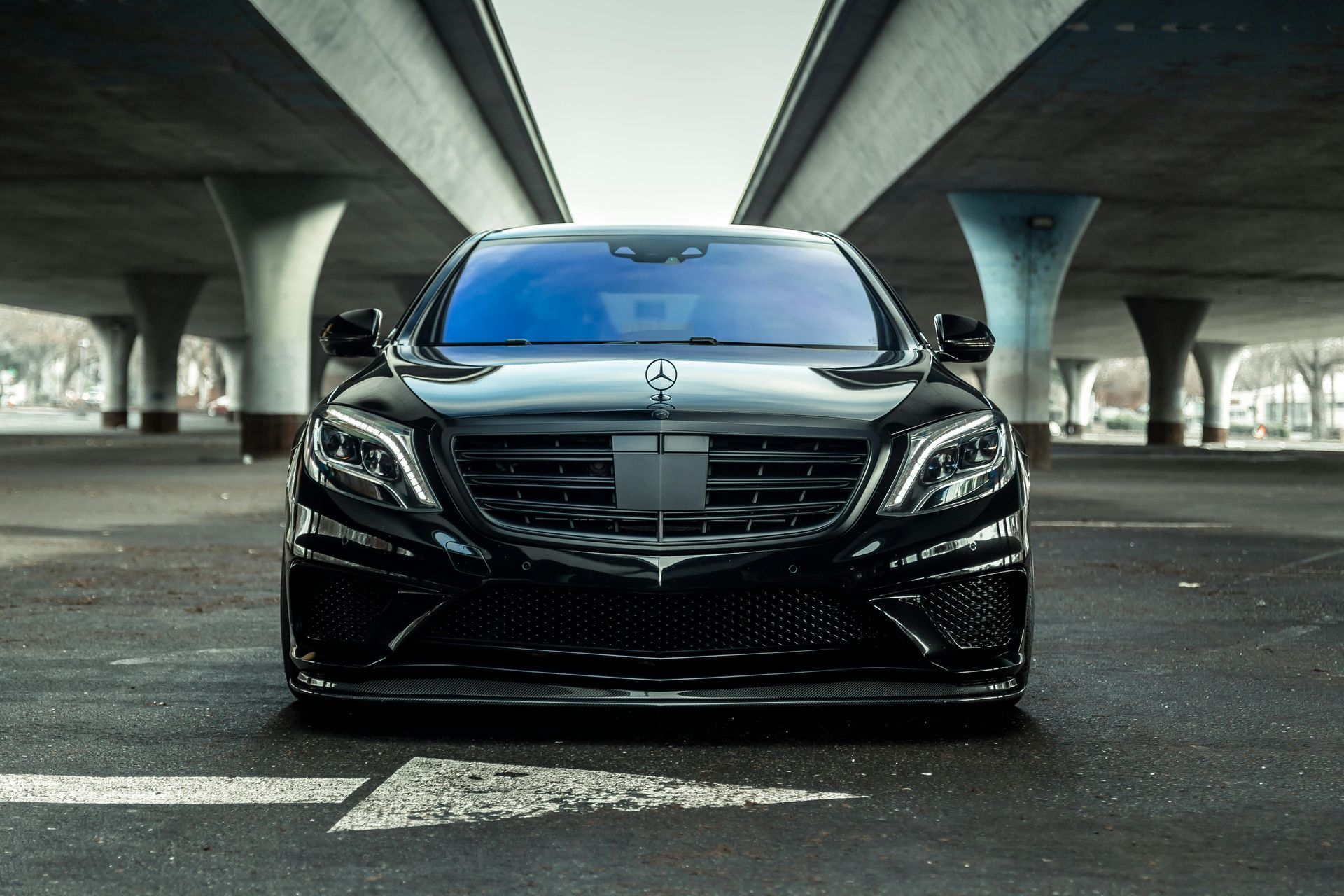
Fremont, CA Windshield Tint: Best Legal & Safe Choices If you’re researching the best window tint for windshields Fremont CA drivers can use without triggering CHP enforcement, the focus must be legality first and performance second. Fremont’s strong sun, long BART parking hours, and Tesla-heavy vehicle mix make “invisible” nano-ceramic solutions the only practical path forward. California Windshield Tint Laws: Fremont Enforcement in 2026 Under California law 2026, visibility is the priority. Fremont Police and CHP routinely enforce VC 26708, especially on front windshields. The AS-1 Line & 4-Inch Strip Rule: What’s Allowed on the Windshield California allows non-reflective tint only on the top 4 inches of the windshield or above the AS-1 line, whichever is lower. Key points: Tint must be non-reflective. No dark film is allowed below the AS-1 line. Full dark windshield tint is not permitted. This strip reduces glare during sunrise and sunset along Highway 84 or the Dumbarton corridor while preserving visibility in fog and at night. 70% VLT Net Requirement: Factory Glass + Film Math Explained Front glass must maintain at least 70% visible light transmission (VLT), calculated as net VLT (factory glass × film). Examples: Factory ~75% × 70% film ≈ 52% net (not compliant) Factory ~75% × 88% film ≈ mid-60% net (still risky) Factory ~75% × 90%+ film = closer to compliant range Even “clear” films can drop net VLT below legal limits. Fremont drivers using full-clear heat-rejection film typically need 80–90%+ VLT nano-ceramic options for safe compliance. Certificate & Sticker Law: Mandatory Compliance for Front Glass confirming legal compliance. A small label is placed between the film and glass or along the edge. During roadside stops, this demonstrates professional installation. Non-compliance can lead to a Fremont fix-it ticket requiring correction and proof of adherence. Why Nano-Ceramic Is Essential for Fremont & Tesla Drivers For East Bay drivers, heat is the real issue. Standard tint technology cannot solve Fremont’s solar load while remaining compliant. Beating Bay Area Heat Soak: IR Rejection on I-880/I-680 Commutes When evaluating nano-ceramic windshield tint Fremont drivers should focus on IRER vs TSER for California heat. IRER (Infrared Energy Rejection) targets the wavelengths responsible for cabin heat buildup. TSER (Total Solar Energy Rejection) measures overall solar energy blocked. For windshields limited by visibility laws, high IR rejection is critical. A high-quality nano-ceramic film can block a substantial percentage of infrared heat while maintaining high visible light transmission. In a general sense, dyed films can fade or discolor over time depending on the manufacturer. Advanced nano-ceramic films, such as those made by HITEK Films , are made for stable color, high optical clarity, and strong infrared rejection in very light VLT ranges. Tesla Model 3/Y Panoramic Windshield: Massive Surface Area Needs Fremont is home to one of the largest Tesla populations in California. The Tesla windshield tint Fremont demand is driven by panoramic glass design. Large windshields and extended roof glass amplify heat soak: Dashboard and screen surfaces absorb intense solar radiation. Cabin temperatures spike during long workday parking. HVAC systems must work harder on startup. Clear nano-ceramic film in the 80–90%+ VLT range reduces infrared penetration without altering the vehicle’s appearance. For Tesla Model 3 and Model Y drivers near Automall Parkway or the Tesla Factory area, this approach preserves visibility while controlling solar load. Top “Invisible” Recommendations for Fremont For drivers seeking the best window tint for windshields Fremont CA, ultra-light nano-ceramic is the compliant solution. H3: Clear 80–90% VLT Nano-Ceramic (High-IR, Low-Visibility Impact) High-clarity nano-ceramic film in the 80–90%+ VLT range provides: Strong infrared heat rejection High visible light transmission UV protection Non-metallic construction (no signal interference) Films in this category, such as those made by HITEK Films , are designed for legal windshield applications where maximum heat rejection must coexist with strict visibility requirements. Because the film appears nearly factory-clear, it avoids drawing attention while still improving thermal comfort. The “Fremont Commuter” Stress Test: 8 Hours Parked Consider a vehicle parked for a full workday at a Fremont BART station or tech campus lot. Without ceramic protection, the dashboard and steering wheel absorb direct solar energy through the windshield. With high-VLT nano-ceramic applied, infrared heat transmission is significantly reduced. Drivers often report: Lower interior surface temperatures Faster cabin cooldown Reduced glare during late afternoon commutes Avoiding CHP Fix-It Tickets in Fremont To reduce enforcement risk: Keep darker tint strictly within the top 4 inches or AS-1 line. Ensure front side windows maintain 70% net VLT. Use non-reflective film only. Retain the manufacturer certificate and compliance sticker. CHP officers may use tint meters during traffic stops. Staying within legal thresholds prevents costly corrections and repeat citations. FAQs Can I tint my full windshield in California? No dark or reflective film is allowed below the AS-1 line. Only the top 4 inches may have non-reflective tint. Clear, high-VLT nano-ceramic may be used if it does not reduce net VLT below legal limits. What is net VLT and why does it matter in Fremont? Net VLT equals factory glass multiplied by film VLT. Because factory windshields are already tinted, adding low-VLT film can quickly push the total below 70%, making it non-compliant. Is ceramic tint worth it for Fremont drivers? Yes. High-VLT nano-ceramic reduces infrared heat and glare while preserving visibility, making it well suited for Bay Area commuting. Will windshield tint interfere with FasTrak? Non-metallic nano-ceramic films, such as those made by HITEK Films , do not interfere with FasTrak or other toll systems.
How Long Does Window Tint Last in Fremont, CA? Guide If you’re asking how long does window tint last in Fremont CA, you’re likely weighing performance against longevity in a region defined by intense Silicon Valley sun and cool, foggy evenings from the Bay. In Fremont, window tint lifespan is not only about appearance. For the area’s large EV and Tesla population, it also affects cabin temperature stability and day-to-day energy use. This guide explains realistic tint lifespans in Fremont, how local climate conditions influence durability, and what to expect from different window film materials over time. Average Lifespan: What Fremont Drivers Should Expect How long does window tint last in Fremont CA depends primarily on film construction, exposure patterns, and long-term environmental stress. Vehicles parked outdoors along I-880, I-680, or large retail areas like Pacific Commons typically experience more heat and UV load than garaged vehicles. In general terms, Fremont drivers can expect the following ranges: Dyed film: often lasts several years before fading or color shift becomes noticeable, depending on manufacturer quality and sun exposure Carbon film: commonly lasts longer, maintaining a more consistent appearance with improved heat control Ceramic film: typically delivers the longest lifespan, frequently lasting well over a decade when properly installed and maintained Bay Area window tint durability is shaped by consistent sun exposure combined with mild but humid winters. Higher-quality films designed for infrared and UV control maintain color stability and performance far longer than entry-level options. Why Material Choice Matters More for Fremont EV Owners Fremont has one of the highest EV ownership rates in the country. For these vehicles, window tint longevity is closely tied to thermal efficiency rather than aesthetics alone. Heat Rejection and EV Battery Range: The Tesla Connection In electric vehicles, interior heat buildup directly increases cooling demand. Over time, frequent high-output air conditioning use contributes to higher energy consumption. Ceramic window tint for Tesla Fremont drivers helps manage this by reducing the amount of solar heat that enters the cabin. High-performance ceramic films work by limiting infrared energy transfer while remaining visually clear. This can result in noticeably lower interior temperatures on hot afternoons, particularly in vehicles with expansive glass areas. While the exact efficiency impact varies by driving habits and conditions, many Fremont EV owners report reduced reliance on aggressive climate control during summer commutes. Why Non-Metallic Films Are Essential for EVs and Tech-Heavy Cars Modern vehicles depend on uninterrupted electronic connectivity, including GPS, Bluetooth, mobile data, and keyless systems. Metalized window films can interfere with these signals. Carbon and ceramic films avoid this issue because they contain no metal layers. They provide heat and UV control without affecting onboard technology. Ceramic options, in particular, offer the highest performance while remaining compatible with all vehicle electronics, making them well-suited for Fremont’s tech-focused drivers. Local Stressors: How Fremont’s Climate Affects Your Tint Fremont CA sun protection for cars must account for sharp temperature changes within a single day. Vehicles often transition from hot, dry afternoon conditions to cool, damp evenings as fog rolls inland. Thermal Cycling: From I-880 Heat to Bay Area Fog Thermal cycling places gradual stress on window film and adhesive layers. Glass and film expand and contract at different rates, which can affect edges and defroster lines over time. Humidity effects on window tint CA conditions also influence curing. In warmer, dry months, film may settle faster, while installations during foggy or damp periods can require additional curing time before full adhesion occurs. High-quality films are made to tolerate these cycles. Precision-cut installations that follow the exact shape of the glass further reduce long-term edge stress. UV Exposure: Protecting Your Interior from the Santa Clara Valley Sun Even with moderate coastal temperatures, Fremont experiences strong UV exposure. Over time, untreated glass allows UV to fade interior surfaces and accelerate material aging. Automotive window films are designed to block nearly all UV radiation, helping preserve interior materials and slow visible wear. This protection becomes increasingly important for vehicles intended for long-term ownership. Staying Legal in Fremont California enforces strict front-window tint standards. Rather than focusing on darkness, many Fremont drivers choose light, high-performance films that deliver heat rejection while remaining visually subtle. This approach minimizes compliance concerns while still improving comfort and durability. Maintenance: How to Ensure Your Tint Lasts 10+ Years Long-term performance depends as much on care as it does on material selection. Fremont drivers who follow basic maintenance practices typically see significantly longer tint lifespan. Ammonia-Free Cleaning: The Golden Rule Ammonia-based cleaners can degrade window film over time. Using ammonia-free solutions and soft microfiber towels helps protect both the surface coating and adhesive layer. Gentle cleaning methods reduce the risk of haze or premature wear. Protecting Your Window Seals from Abrasive Road Grime Road dust and fine debris collect in window channels and seals. When windows are lowered, this grit can scratch film edges. Periodically wiping the top edge of the glass and cleaning rubber seals with a soft cloth reduces abrasion and helps maintain a clean, even appearance. FAQs Is 35% tint legal on front windows in Fremont? No. California requires front side windows to allow at least 70% visible light transmission. How long does ceramic tint last compared to standard film in CA? Ceramic films generally last significantly longer than dyed films, often exceeding a decade with proper care. Can I roll my windows down after tinting in the Bay Area climate? Waiting several days allows the adhesive to cure fully, especially during cooler or more humid periods. Do window tint laws differ for EVs? No. EVs must follow the same California tint regulations as other passenger vehicles.